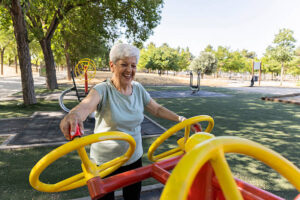
Staying active and independent after 60 isn’t about trying to feel 20 again. It’s about maintaining the strength, energy, and confidence to enjoy everyday life without relying on others for everything.
The good news is that small daily habits often make a bigger difference than dramatic lifestyle changes. You don’t need an extreme fitness routine or a complicated wellness plan. In fact, some of the healthiest seniors I know focus on simple habits that support their bodies and minds day after day.
If you’ve ever wondered how some people remain active, sharp, and independent well into their later years, the answer usually comes down to consistency. They take care of themselves in small ways that add up over time.
Let’s look at ten daily habits that can help seniors stay healthy, active, and independent after 60.
Why Daily Habits Matter More After 60
As we age, our bodies naturally go through changes. Muscles can become weaker, joints may feel stiffer, and recovery often takes longer than it did years ago.
That sounds discouraging, but here’s the good news. Daily habits can have a powerful impact on how you feel and function.
Small actions repeated consistently often create better results than occasional bursts of effort.
The goal isn’t perfection. The goal is creating routines that help you maintain your mobility, energy, and quality of life for as long as possible.
Many people assume slowing down is an unavoidable part of aging. While some physical changes are natural, daily habits often influence how well you adapt to those changes.
The body responds to consistent care at every age. Staying active, eating nutritious foods, and maintaining healthy routines can help seniors preserve strength, mobility, and confidence for longer. Small choices made every day often have a greater impact than occasional efforts.
Another important point is that healthy habits support more than physical health. They can improve mood, boost mental clarity, and help seniors maintain a stronger sense of independence. These benefits often work together, creating a positive cycle that supports overall well-being.
10 Daily Habits That Help Seniors Stay Active, Healthy, and Independent After 60
1. Start the Day with Gentle Movement
Many seniors wake up feeling stiff, especially after a long night’s sleep.
Starting the day with gentle movement helps loosen muscles and improve circulation. This could include stretching, a short walk, or simple mobility exercises.
Moving your body first thing in the morning can improve flexibility and help you feel more energized throughout the day.
Even five to ten minutes can make a noticeable difference.
2. Stay Hydrated Throughout the Day

Hydration becomes increasingly important with age.
Many seniors don’t drink enough water because they don’t feel thirsty as often as they once did. Unfortunately, dehydration can contribute to fatigue, headaches, dizziness, and reduced concentration.
Drinking water regularly supports overall health and helps your body function properly.
Keeping a water bottle nearby can serve as a helpful reminder throughout the day.
3. Eat Balanced, Nutrient-Rich Meals
Food provides the fuel your body needs to stay active and healthy.

Focus on meals that include lean proteins, fruits, vegetables, whole grains, and healthy fats. These foods provide nutrients that support muscle strength, bone health, and energy levels.
Skipping meals or relying heavily on processed foods may leave you feeling sluggish and less capable of staying active.
YOU MAY LIKE



Good nutrition supports both physical and mental well-being.
Healthy eating becomes even more important after 60 because the body may not absorb nutrients as efficiently as it once did.
Including a variety of colorful fruits and vegetables helps provide vitamins, minerals, and antioxidants that support overall health. Protein-rich foods help maintain muscle strength, while calcium-rich foods support bone health.
Making small improvements to daily meals can have lasting benefits. Even simple changes, such as adding more vegetables or choosing whole grains, can help support long-term wellness.
4. Prioritize Quality Sleep
Sleep plays a major role in healthy aging.
During sleep, your body repairs tissues, restores energy, and supports brain function. Poor sleep can affect mood, memory, and physical performance.
Creating a consistent bedtime routine often improves sleep quality. Limiting screen time before bed and maintaining regular sleep hours can also help.
Quality sleep gives your body the recovery it needs to function at its best.
5. Keep Your Mind Active
Staying mentally engaged is just as important as staying physically active.
Reading, solving puzzles, learning new skills, or playing strategy games can help challenge the brain and support cognitive health.
Many seniors find that learning something new keeps life interesting while helping maintain mental sharpness.
Ever notice how energized you feel when your mind stays engaged? Your brain enjoys exercise too.
6. Spend Time Outdoors
Fresh air and natural sunlight offer several benefits.
Spending time outside can boost mood, support vitamin D production, and encourage physical activity.
A short daily walk around the neighborhood, time in the garden, or simply sitting outdoors can have a positive impact on overall well-being.
Nature provides benefits that many people underestimate.
Sometimes the simplest activities bring the greatest rewards.

Outdoor time also encourages movement in a way that feels natural and enjoyable.
Many seniors find it easier to stay active when walking through a park, tending a garden, or spending time in their yard. These activities provide both physical and emotional benefits.
Fresh air and natural surroundings can help reduce feelings of stress while creating opportunities to stay engaged with the world around you. Sometimes a short walk outdoors can improve your mood more than sitting indoors for hours.
7. Stay Socially Connected
Humans need connection at every stage of life.
Regular conversations with family members, friends, neighbors, or community groups help reduce feelings of loneliness and support emotional health.
Social interaction can also provide mental stimulation and a stronger sense of purpose.
Maintaining relationships contributes to both happiness and long-term wellness.
A quick phone call can brighten your day more than you might expect.
8. Practice Balance and Flexibility Exercises
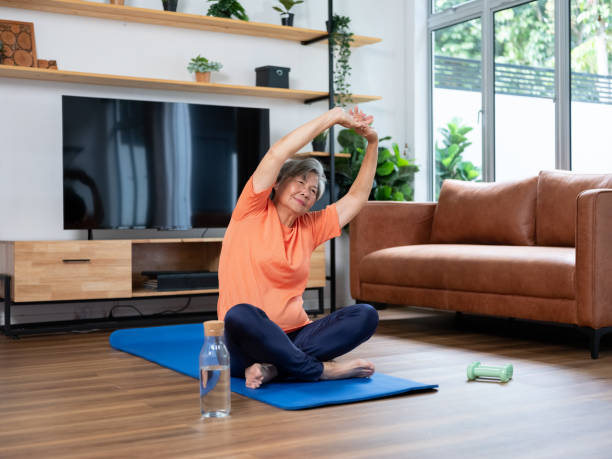
Falls become a greater concern as people age.
Improving balance and flexibility helps reduce the risk of falls while supporting confidence during everyday activities.
Simple exercises, yoga, stretching routines, and balance-focused movements can all help.
Better balance supports greater independence and mobility.
The more confident you feel moving around, the more active you’re likely to remain.
EDITORS' RECOMMENDATIONS



9. Manage Stress in Healthy Ways
Stress doesn’t disappear simply because you get older.
Financial concerns, health issues, family responsibilities, and life changes can all create stress.
Finding healthy ways to manage stress can improve both physical and emotional health. Activities such as prayer, meditation, deep breathing, journaling, or spending time with loved ones often help.
Managing stress supports better energy, mood, and overall wellness.
Chronic stress can affect the body in surprising ways.
It may contribute to poor sleep, reduced energy, difficulty concentrating, and even physical discomfort. That’s why stress management should be viewed as part of a healthy lifestyle rather than an optional extra.
Taking a few minutes each day to relax, reflect, or engage in calming activities can help create a greater sense of balance. Consistency matters more than perfection when it comes to managing stress.

10. Keep Up with Regular Health Checkups
Preventive care plays an important role in maintaining independence.
Regular health checkups help identify potential problems early when they may be easier to manage.
Routine screenings, vision exams, hearing tests, and discussions with healthcare providers can help seniors stay proactive about their health.
Taking care of small issues early often prevents larger problems later.
A little prevention can go a long way.
The Secret to Staying Independent Longer
Many people assume independence depends entirely on luck or genetics.
While genetics certainly play a role, daily habits matter more than many people realize.
Staying active, eating well, sleeping enough, maintaining social connections, and caring for your mental health all work together to support independence.
The key isn’t doing everything perfectly. It’s staying consistent with habits that support your overall well-being.
Small efforts today can create meaningful benefits years down the road.
Building Healthy Habits One Step at a Time

One of the biggest mistakes people make is trying to change everything at once.
Creating too many new habits at the same time often leads to frustration and burnout. A better approach involves focusing on one habit, practicing it consistently, and then adding another habit once the first becomes routine.
Small improvements add up over time. A short daily walk, an extra glass of water, or a few minutes of stretching may seem insignificant at first, but these actions can produce meaningful benefits when repeated regularly.
Conclusion
Remaining active, healthy, and independent after 60 doesn’t require perfection. It requires consistent attention to the habits that support your body and mind.
By moving regularly, staying hydrated, eating nutritious foods, prioritizing sleep, keeping your mind engaged, spending time outdoors, maintaining social connections, improving balance, managing stress, and staying on top of preventive care, you give yourself the best opportunity to enjoy life with confidence.
The best part is that you don’t have to start with all ten habits at once. Choose one or two, build them into your daily routine, and keep going from there.
After all, healthy aging isn’t about doing more. It’s about doing the right things consistently.