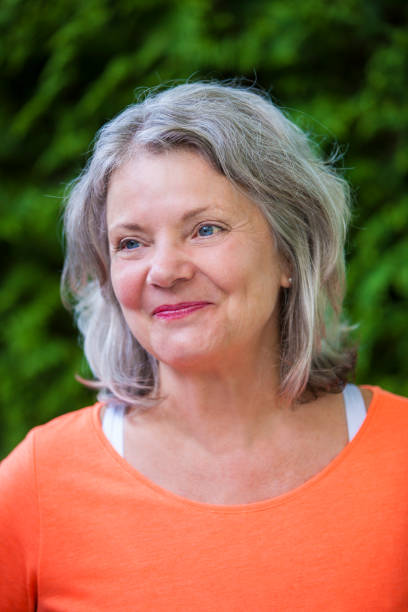
Somewhere along the way, many seniors started believing they had to “earn” rest. They spent decades working, raising families, paying bills, helping everyone else, and carrying responsibilities like full-time superheroes with no vacation days. Then the moment they slow down a little, guilt suddenly appears. Funny how that works, right?
A lot of older adults feel bad for taking naps, saying no, resting more, or simply wanting a peaceful life. Society pushes the idea that staying busy equals value. If you move slower, people act like you stopped mattering. Honestly, that mindset needs retirement more than seniors do.
The truth looks very different.
Slowing down does not mean giving up on life. It means finally listening to yourself.
I’ve seen seniors become happier, healthier, and more confident once they stopped forcing themselves to keep up with unrealistic expectations. They smiled more. They stressed less. They finally enjoyed the little things again instead of constantly rushing through life.
And honestly, isn’t peace the whole point after spending years surviving chaos?
Slowing Down Is a Natural Part of Life
People accept that phones slow down after years of use. They understand cars need maintenance after long journeys. But when the human body changes with age, suddenly everyone panics. Make it make sense.
Your body changes because you lived.
You carried stress, responsibilities, heartbreak, long workdays, sleepless nights, and family obligations for decades. Of course your energy works differently now. That does not make you weak. That makes you human.
Your Worth Does Not Depend on Productivity
Many seniors grew up believing hard work defined their value. They learned to push through pain, exhaustion, and stress without complaining. Rest almost felt illegal.
But here’s the problem with that mindset.
When people tie their self-worth to productivity, they feel guilty every time they slow down. They think they must constantly “do something” to deserve respect.
That pressure becomes exhausting.
You still matter even when you rest.
You do not need to overwork yourself to prove your importance anymore. You already spent years showing your strength. At this stage of life, protecting your peace matters far more than impressing people who probably need therapy themselves. Just saying.
Why So Many Seniors Feel Guilty About Resting
Guilt usually comes from conditioning. Many older adults spent their entire lives taking care of others first. Parents. Spouses. Children. Grandchildren. Coworkers. Even random relatives who only called when they needed something.
Over time, they stopped prioritizing themselves completely.
So when they finally try to rest, their mind whispers things like:
- “You should be doing more.”
- “You’re becoming lazy.”
- “People will judge you.”
- “You used to handle more than this.”
That inner voice can become brutal.
Society Glorifies Exhaustion
People love acting busy. Someone always brags about sleeping three hours like it deserves an Olympic medal. Meanwhile their eye bags look ready to file complaints against them.
That pressure affects seniors too.
Many older adults feel they must stay constantly active so nobody labels them “old.” They push themselves beyond their limits just to appear capable.
But honestly, constantly proving yourself becomes tiring after a while.
Peace should never feel embarrassing.
Slowing Down Can Actually Improve Your Health
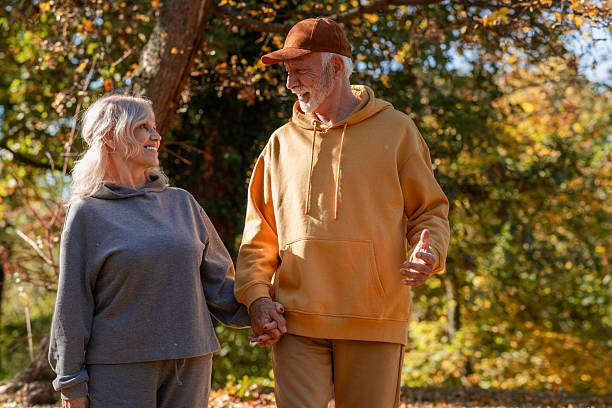
Many seniors notice physical and emotional improvements once they stop overloading themselves. Stress decreases. Sleep improves. Blood pressure becomes easier to manage. Their mood feels lighter.
That slower pace helps the body recover.
Chronic Stress Ages the Body Faster
Stress affects almost everything.
It impacts sleep, digestion, skin, energy, memory, and emotional health. Seniors who constantly push themselves often feel drained because their body never gets proper recovery time.

Slowing down creates balance.
You give your body room to breathe instead of constantly operating in survival mode. That matters more than most people realize.
I once spoke to a woman in her late 60s who said she felt younger after simplifying her life. She stopped saying yes to every obligation, started resting more, and focused on enjoying her days instead of “performing productivity.” Her energy completely changed.
And honestly? She looked happier too.
YOU MAY LIKE



Resting Does Not Make You Lazy
This part deserves repeating because so many seniors struggle with it.
Rest and laziness are not the same thing.
Rest restores you.
Laziness avoids responsibility.
Those two things look completely different.
A senior taking breaks, slowing their schedule, or choosing calm routines does not mean they stopped caring about life. It means they understand their limits better now.
Your Body Deserves Compassion
Aging brings physical changes whether people like it or not. Joints ache more. Energy fluctuates. Recovery takes longer. Eyesight changes. Sleep patterns shift.
That does not mean your body failed you.
Your body carried you through decades of life experiences. It survived stress, sickness, heartbreak, responsibilities, and countless challenges.
That deserves appreciation, not criticism.
Imagine speaking to a friend the way some seniors speak to themselves. Harsh, impatient, and constantly disappointed. Sounds awful, right?
So why treat yourself that way?
Confidence Grows When You Accept Your Current Season
One of the biggest confidence killers involves constantly fighting reality.
Some seniors spend years wishing they could move, look, or function exactly like they did decades ago. That constant comparison creates frustration.
Acceptance changes everything.
Stop Comparing Yourself to Younger People
Social media makes aging feel harder sometimes. You scroll online for five minutes and suddenly someone half your age wakes up at 5 AM, drinks green smoothies, runs marathons, organizes closets, and somehow still looks flawless before breakfast. Sure. Totally believable :/
You do not need to compete with younger generations.
Your value comes from wisdom, experience, resilience, and perspective. Younger people still struggle with lessons you already learned years ago.
Confidence comes from self-acceptance, not competition.
Once seniors stop trying to “keep up” with unrealistic standards, they often feel emotionally lighter.
Beauty Does Not Disappear With Age
Society spends billions convincing people that youth equals beauty. That message hurts many seniors emotionally. They start feeling invisible or unattractive simply because they aged naturally.
But honestly, confidence looks far more beautiful than pretending to be 25 forever.
Real Beauty Evolves Over Time
Beauty at 60 looks different from beauty at 20. That’s normal.

A warm smile. Calm energy. Confidence. Kindness. Wisdom. Emotional maturity. Those qualities become more attractive with age.
People remember how someone made them feel far more than perfect skin.
I’ve met older women with wrinkles and gray hair who absolutely glowed because they felt comfortable in themselves. Meanwhile some younger people look stressed enough to fight the air around them.
Peace changes a person’s appearance.
A relaxed, confident senior often looks more beautiful than someone constantly chasing impossible standards.
Slowing Down Helps Mental and Emotional Health
Many seniors carry emotional exhaustion without realizing it. Years of caregiving, stress, financial pressure, grief, and responsibilities build up over time.
Eventually, the mind needs quiet.
Slowing down creates space for healing.
Simple Moments Start Feeling Meaningful Again
When life becomes less rushed, small things suddenly matter more.
Morning coffee tastes better.
Conversations feel deeper.
Walks feel peaceful.
Music feels comforting.
You stop racing through life and actually experience it.
IMO, many seniors discover more happiness in simple routines than they ever found in years of nonstop stress.
And honestly, there’s something beautiful about that.
Taking Care of Yourself Is Not Selfish
A lot of seniors feel guilty spending money or time on themselves. They’ll gladly help everyone else but hesitate to care for themselves properly.
That mindset needs to change.
You deserve care too.
Small Self-Care Habits Build Confidence
Self-care does not need to look fancy or expensive. Sometimes the smallest habits create the biggest emotional shifts.
EDITORS' RECOMMENDATIONS


Things like:
- Wearing clothes that make you feel good
- Moisturizing your skin regularly
- Resting without guilt
- Eating nourishing meals
- Spending time outdoors
- Talking with supportive people
- Setting boundaries
- Saying no when necessary
These habits help seniors reconnect with themselves emotionally.
And honestly, confidence grows faster when people stop neglecting their own needs.
Your Wisdom Still Matters
Many seniors struggle with feeling invisible. Society focuses heavily on youth, speed, and trends. Older adults sometimes feel ignored or dismissed.
But wisdom never loses value.
Your experiences matter deeply.
Younger Generations Need Your Perspective
You lived through challenges younger people still cannot fully understand.

You learned patience.
You survived difficult seasons.
You gained emotional resilience.
That wisdom carries value no social media trend can replace.
Sometimes slowing down actually allows seniors to share more guidance because they finally have time to reflect instead of constantly rushing around.
And honestly, younger generations need more of that wisdom right now.
Give Yourself Permission to Rest
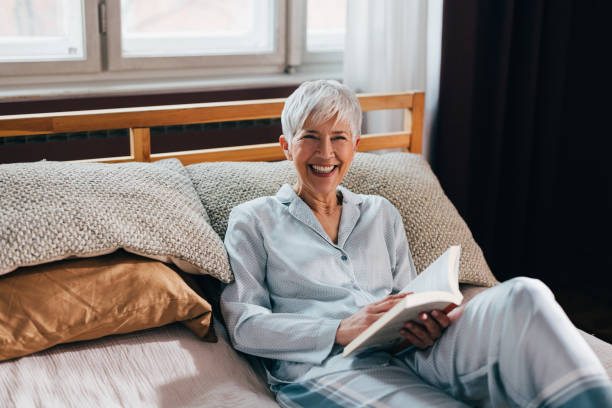
This might sound simple, but many seniors genuinely need permission to slow down emotionally.
So here it is.
You do not need to earn rest.
You do not need to apologize for moving at a gentler pace.
You do not need to explain why peace matters more to you now.
Your life still has meaning even when you slow down.
Listen to Your Body Without Shame
Your body speaks to you constantly.
Sometimes it asks for movement.
Sometimes it asks for stillness.
Ignoring those signals usually creates more stress later. Listening to your body shows wisdom, not weakness.
And honestly, life feels so much lighter when you stop fighting yourself every single day.
Final Thoughts
A slower life does not mean a smaller life.
Many seniors actually become happier, calmer, and more confident once they stop feeling guilty for slowing down. They stop chasing unrealistic expectations. They rest more. They protect their peace. They care for themselves properly again.
And that emotional shift changes everything.
So if you’ve been feeling guilty for needing more rest or wanting a gentler lifestyle, please let that guilt go. You already spent years proving your strength. Exhaustion does not define your worth.
Choose peace.
Choose balance.
Choose confidence.
Because growing older should feel freeing, not shameful.