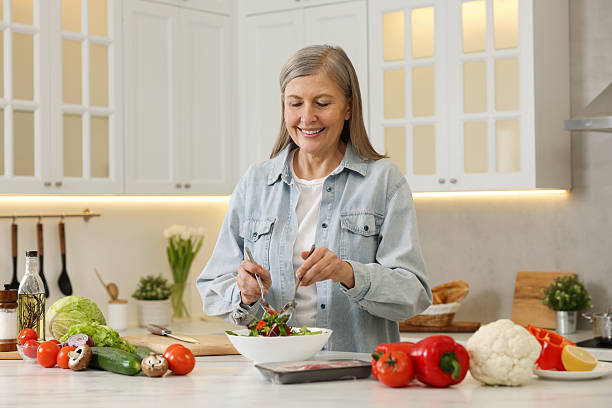
A lot of people assume that getting older automatically means slowing down, feeling tired more often, and giving up activities they once enjoyed. Thankfully, that isn’t true.
Yes, your body changes with age. You may not bounce back from a late night the way you did in your twenties, and your knees might occasionally remind you that time exists. But growing older does not mean giving up on feeling strong, energetic, and healthy.
I’ve noticed something interesting over the years. The people who seem happiest and healthiest as they age aren’t necessarily the ones with perfect genetics. They are usually the people who stay active, maintain healthy habits, and keep showing up for themselves every day.
The good news is that you don’t need expensive equipment, complicated diets, or extreme workout plans to stay healthy. You simply need a few smart habits that support your body and mind over time.
If you’ve been wondering how to stay active and healthy as you grow older, this guide will help you build a lifestyle that keeps you feeling your best for years to come.
Keep Your Body Moving Every Day
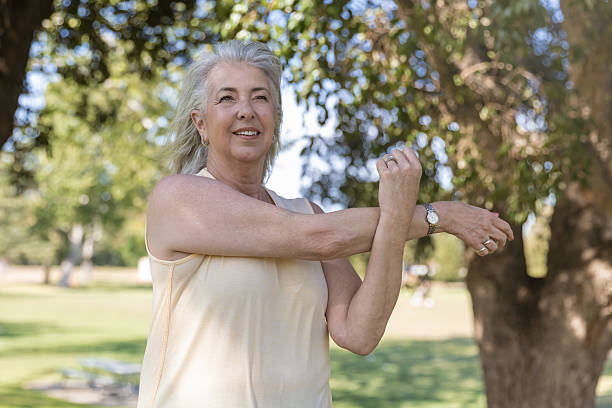
If there is one habit that has the biggest impact on healthy aging, it is movement.
Your body thrives on movement. Your muscles stay stronger, your joints stay more flexible, and your heart stays healthier when you remain active. On the other hand, long periods of inactivity can make your body feel stiff, weak, and sluggish.
Many people stop moving because they think aging requires slowing down. In reality, the opposite often works better. Regular movement helps you maintain your strength, balance, mobility, and independence.
Ever notice how your body feels after sitting for hours? You stand up and suddenly walk like a robot for a few seconds. That’s your body asking for movement.
Walking Is Still One of the Best Exercises
Walking remains one of the simplest and most effective forms of exercise available.
You don’t need a gym membership. You don’t need fancy equipment. You simply need a comfortable pair of shoes and a little consistency.
A daily walk can improve cardiovascular health, boost mood, support healthy weight management, and increase energy levels. Even a 20 to 30-minute walk can make a significant difference over time.
I know people often look for complicated fitness secrets, but sometimes the most effective solution is simply putting one foot in front of the other.
Walking regularly can improve both physical and mental health.
Build Strength as You Age
Strength training becomes more important with every passing year.
As people age, they naturally lose muscle mass. This process can make everyday tasks more difficult if they don’t actively maintain their strength.
You don’t need to lift massive weights to benefit from strength training. Simple exercises like squats, wall push-ups, resistance band workouts, and light dumbbell exercises can help preserve muscle and improve overall function.
Strong muscles help you carry groceries, climb stairs, maintain balance, and stay independent.
Think about it this way. Future you will appreciate every squat you do today.
Improve Your Balance
Balance often goes unnoticed until it starts becoming a problem.
Many falls among older adults happen because balance weakens over time. Fortunately, balance can improve with practice.
Activities like yoga, tai chi, and simple balance exercises help strengthen stabilizing muscles and improve coordination.
Try standing on one foot while holding onto a chair for support. It sounds simple, but it challenges your balance system and helps build stability.
Good balance reduces fall risk and helps you stay confident while moving.
Don’t Forget Flexibility
Flexibility helps your body move comfortably through daily activities.
Stretching regularly can improve mobility, reduce stiffness, and support better posture.
You don’t need an hour-long stretching routine. Just a few minutes each morning can help your muscles and joints feel more relaxed throughout the day.

Your body appreciates flexibility far more than most people realize.
Eat and Drink for Better Health
Exercise plays an important role in healthy aging, but nutrition matters just as much.
You can spend an hour walking every day, but your body still needs proper fuel to function at its best.
The foods you choose affect your energy levels, muscle health, bone strength, immune system, and overall well-being.
YOU MAY LIKE


The goal isn’t perfection. Nobody eats perfectly all the time. The goal is making healthy choices more often than unhealthy ones.
Prioritize Protein
Protein becomes increasingly important as you grow older.
Your body uses protein to maintain muscle mass, repair tissues, and support overall health.
Without enough protein, maintaining strength becomes more difficult.
Good protein sources include eggs, fish, chicken, turkey, beans, lentils, Greek yogurt, nuts, and seeds.
Try including a source of protein with each meal whenever possible.
Protein helps support healthy muscles and healthy aging.
Eat Plenty of Fruits and Vegetables
Fruits and vegetables provide vitamins, minerals, antioxidants, and fiber that support overall health.
They help protect your body from disease while supporting digestion, heart health, and immune function.
The more colorful your plate looks, the better.
Think of fruits and vegetables as your body’s maintenance crew. They quietly work behind the scenes every day to keep things running smoothly.
Stay Hydrated
Many people underestimate the importance of hydration.
As you age, your sense of thirst may decrease, which makes dehydration more common.
Even mild dehydration can cause fatigue, headaches, dizziness, and difficulty concentrating.
Keep water nearby throughout the day and sip regularly.
FYI, coffee is amazing, but it shouldn’t handle your entire hydration strategy by itself. Nice effort, though.
Maintain a Healthy Weight
Maintaining a healthy weight becomes easier when you focus on consistent habits instead of quick fixes.
Crash diets rarely produce lasting results.
Instead, focus on eating balanced meals, controlling portion sizes, and staying physically active.
Small daily choices create long-term success.
One healthy meal may not change your life. Hundreds of healthy meals absolutely can.
Make Smart Food Choices Most of the Time
You don’t need to eliminate every favorite treat.

Healthy living should feel sustainable.
Enjoying dessert occasionally won’t destroy your progress. What matters most is your overall pattern of eating.
Aim for balance rather than perfection.
People who maintain healthy habits for decades usually follow realistic routines, not impossible rules.
Take Care of Your Mind and Build Healthy Daily Habits

Physical health matters, but mental and emotional health deserve equal attention.
A healthy body and a healthy mind work together.
You can exercise every day, but your overall well-being may still suffer if you neglect your mental health.
Fortunately, several simple habits can help keep your mind sharp and your mood positive as you age.
Keep Learning New Things
Your brain enjoys challenges.
Learning new skills helps keep your mind active and engaged.
Read books, learn a language, try a new hobby, take an online course, or practice a creative activity.
Ever notice how exciting life feels when you’re learning something new?
That excitement doesn’t disappear with age.
In fact, many people discover new passions later in life that bring tremendous joy and fulfillment.
Stay Socially Connected
Human connection plays a huge role in healthy aging.
Spending time with friends, family members, neighbors, and community groups can improve emotional health and reduce feelings of loneliness.
A simple conversation can brighten an entire day.
Make time for meaningful relationships whenever possible.
Call a friend. Visit a family member. Join a club. Attend community events.
EDITORS' RECOMMENDATIONS



Strong social connections support both mental and physical well-being.
Manage Stress Before It Manages You
Stress affects everyone.
Unfortunately, chronic stress can negatively impact sleep, energy levels, blood pressure, and overall health.
Finding healthy ways to manage stress becomes increasingly important as you age.
Deep breathing, meditation, prayer, journaling, gardening, and spending time outdoors can all help reduce stress levels.
The goal isn’t eliminating stress completely. The goal is learning how to respond to it in healthy ways.
Prioritize Quality Sleep
Sleep acts like a nightly reset button for your body and mind.

During sleep, your body repairs tissues, supports immune function, processes memories, and restores energy.
Poor sleep can affect nearly every aspect of your health.
Try maintaining a consistent bedtime and wake-up schedule whenever possible.
Create a relaxing evening routine and limit screen time before bed.
Your body performs important maintenance work while you sleep. Think of it as overnight housekeeping for your health.
Schedule Regular Health Checkups
Many health conditions become easier to manage when doctors identify them early.
Regular health screenings and checkups help you stay informed about your health status.
Don’t wait until something feels wrong.
Preventive care often catches potential issues before they become serious problems.
Regular checkups are one of the smartest investments you can make in your future health.
Build Habits You Can Actually Maintain
One mistake many people make is trying to change everything at once.
They start a strict diet, an intense workout plan, a complicated morning routine, and several new habits all at the same time.
A few weeks later, exhaustion wins.
Instead, focus on small improvements.
Take a daily walk. Drink more water. Add vegetables to meals. Stretch for five minutes each morning.
Small habits may seem insignificant, but they create powerful results when repeated consistently.
IMO, consistency beats perfection every single time.
Conclusion
Learning how to stay active and healthy as you grow older doesn’t require dramatic changes or superhuman discipline.
The most effective approach involves simple habits practiced consistently over time.
Move your body every day, build strength, maintain balance, eat nutritious foods, stay hydrated, protect your mental health, prioritize sleep, and stay connected with others.
These habits work together to help you maintain energy, independence, and overall well-being as the years pass.
Growing older is a privilege, and you have more control over your health than you might think.
Start with one small change today. Then build on it tomorrow. Before long, those small choices can create a healthier, stronger, and more active future.
And if your knees occasionally complain along the way, well, they apparently enjoy offering commentary now and then too.