
Getting older doesn’t mean slowing down and spending every afternoon staring out the window while complaining about your knees. In fact, many people over 60 feel happier, wiser, and more confident than they did in their younger years.
The secret isn’t luck. It’s the small habits people build every day.
I have met people in their 60s and 70s who still travel, run businesses, and chase their grandkids around the house without getting tired after five minutes. Ever wondered how they do it? They don’t have magical genes or a secret anti-aging potion hidden in the kitchen cabinet.
They simply make smart choices that keep their minds sharp, bodies active, and independence intact.
If you want to enjoy life after 60 and stay energetic for years to come, these surprising habits can make a huge difference.
1. Learn Something New Every Year

Your brain loves challenges. When you learn new things, your brain creates fresh connections that help keep your memory strong.
You don’t need to go back to school and sit through long lectures, thankfully. You can learn almost anything from home.
Try Something Different
Learn how to cook a new recipe. Start gardening. Take a photography class. Learn how to use social media better.
Learning new skills keeps your brain active and improves memory and problem-solving abilities.
I once watched my aunt learn how to use video calls in her late 60s. At first, she pressed every button except the correct one. A few weeks later, she became the family tech expert. Funny how that happens.
Ask yourself this: when was the last time you learned something completely new?
2. Walk More Than You Sit
Many people think exercise means spending hours in a gym. Thankfully, that’s not true.
One of the easiest ways to stay healthy after 60 is simply to walk.
Walking improves heart health, strengthens muscles, boosts mood, and helps maintain independence.
Why Walking Works So Well
Walking increases blood flow to the brain. It helps reduce stress and keeps joints moving.
Even a 30-minute walk most days of the week can make a huge difference.
FYI, some of the healthiest older adults I know treat their daily walks like important appointments. They rarely skip them.
And honestly, sitting all day can make anyone feel older than they really are.
3. Build Strong Friendships
Loneliness can affect both physical and mental health.
Many people focus only on diet and exercise while forgetting something equally important.
Strong social connections help protect memory, reduce stress, and improve overall well-being.
Spend Time With People Who Lift You Up
Call a friend. Join a community group. Visit family members more often.
Simple conversations can boost your mood more than you think.
Have you noticed how time flies when you’re laughing with good friends?
The people around you often influence your energy levels and outlook on life. Choose your company wisely.
4. Use Your Hands More Often
This one surprises many people.
Activities that involve your hands can actually help keep your brain sharp.

Keep Your Hands Busy
Try knitting, painting, baking, woodworking, or gardening.
Using your hands stimulates different parts of the brain and improves coordination.
I know a retired teacher who started making handmade greeting cards at age 68. She says the hobby keeps her mind active and gives her a sense of purpose.
Plus, creating something with your own hands feels incredibly satisfying
YOU MAY LIKE



Even small projects can improve concentration and memory.
5. Sleep Like It’s Your Job
Many adults underestimate the power of good sleep.
Poor sleep can lead to memory problems, low energy, and difficulty concentrating.
Quality sleep helps your brain process information and allows your body to repair itself.
Create Better Sleep Habits
Go to bed at the same time every night.
Avoid heavy meals right before bedtime.
Keep your bedroom cool and comfortable.
You don’t earn extra points for staying awake until midnight watching television reruns.
Think about how much better you feel after a good night’s sleep. Your body and brain need that rest every single day.
Getting enough sleep can improve mood, boost energy, and help you stay independent for much longer.
6. Eat More Brain-Friendly Foods

Food does more than fill your stomach. It also fuels your brain and body.
As we get older, what we eat can affect our memory, energy levels, and overall health.
A healthy diet can help protect your brain and keep you active for longer.
Add More Color to Your Plate
Eat more fruits and vegetables. Choose whole grains and lean proteins whenever possible.
Foods like berries, fish, nuts, eggs, and leafy greens contain nutrients that support brain health.
IMO, healthy eating doesn’t mean giving up every food you enjoy. Life is too short to panic over an occasional slice of cake.
The goal is balance, not perfection.
7. Challenge Your Memory Every Day
Your memory works a lot like a muscle. The more you use it, the stronger it becomes.
Many people stop challenging their minds after retirement, and that’s a mistake.
Mental exercises can help improve memory and keep your thinking skills sharp.
Give Your Brain a Workout
Do crossword puzzles.
Play card games.
Read books and discuss them with friends.

Try remembering phone numbers instead of immediately looking them up.
Ever walked into a room and forgotten why you went there? It happens to everyone. The important thing is to keep giving your brain little challenges every day.
Those small exercises add up over time.
8. Have a Reason to Get Up Every Morning
Purpose matters more than many people realize.
People who have goals often stay healthier, happier, and more independent.
Having a sense of purpose can improve mental health and encourage an active lifestyle.
Find Something That Excites You
Volunteer in your community.
Start a small business.
Learn a new hobby.
Help your family members or mentor younger people.
I know a man in his 70s who started teaching children how to play chess after retirement. He says it gave him a new reason to look forward to each day.
What gives you that same feeling?
Sometimes one small purpose can change your entire outlook on life.
9. Practice Balance Exercises
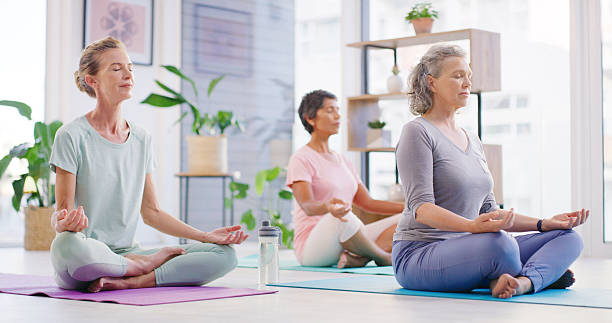
Many older adults worry about falling, and for good reason.
Falls can lead to injuries that make everyday activities harder.
The good news is that you can improve your balance.
Better balance helps you stay independent and confident.
Simple Ways to Improve Balance
Stand on one foot for a few seconds.
Try gentle yoga.
EDITORS' RECOMMENDATIONS



Practice stretching exercises.
Walk on different surfaces, such as grass or sand, when it’s safe to do so.
These exercises may look simple, but they can make a huge difference.
Nobody wants to lose independence because of a preventable fall.
A few minutes of balance practice each day can help keep you steady and active.
10. Stay Curious About Life
Curiosity keeps people young at heart.
The moment you stop being interested in the world around you, life can start feeling smaller.
Curious people often stay mentally active and emotionally healthier.
Keep Exploring
Visit new places.
Read about topics you know nothing about.
Meet different people and listen to their stories.
Ask questions.
Try new experiences.
Some people in their 60s begin new careers, write books, or travel to places they always dreamed of visiting. Why shouldn’t you?
Age doesn’t cancel curiosity.
In many ways, getting older gives you more freedom to explore what truly interests you.
Remember That Small Changes Add Up
Many people think they need a huge lifestyle makeover to stay healthy after 60. The truth is much simpler.
Small, consistent habits often create the biggest results.
You don’t have to walk five miles every day or spend hours exercising. A short daily walk, drinking more water, or calling a friend more often can improve your physical and mental health over time.
The same goes for keeping your mind sharp. Reading a few pages of a book, learning a new recipe, or trying a puzzle for ten minutes may seem like tiny actions, but they keep your brain engaged.
Think about it for a moment. Where could you be a year from now if you made just one healthy choice every day?
Aging well isn’t about chasing perfection. It’s about making choices that help you feel stronger, happier, and more independent.
The good news is that it’s never too late to start. Whether you’re 60, 70, or even older, your body and mind can still benefit from positive changes.
After all, every small step you take today helps build a healthier and more active tomorrow.
Conclusion
Staying sharp, active, and independent after 60 doesn’t require expensive gadgets or complicated routines.
The real secret lies in simple habits.
Learn new things, move your body, stay connected with others, eat well, challenge your mind, and keep your curiosity alive.
Small changes may seem insignificant at first, but they can completely transform your later years.
After all, growing older is a privilege. Why not make the most of it?
Your 60s and beyond can become some of the happiest and most fulfilling years of your life if you choose habits that support your mind and body.
So, which of these surprising habits will you start today?