
Getting older doesn’t mean slowing down and accepting aches, fatigue, and low energy as your new best friends. In fact, many seniors feel exhausted not because of age itself, but because of a few habits that quietly drain their health every day.
I have watched older relatives make tiny changes that completely transformed how they felt. One aunt stopped skipping meals and suddenly had more energy than people twenty years younger. Funny how the smallest habits can make the biggest difference, right?
If you want to protect your health, stay independent, and keep your energy levels high, it may be time to stop doing a few things that no longer serve you.
Let’s talk about them.
1. Stop Sitting for Hours Without Moving
Your favorite chair may feel like heaven, but your body doesn’t agree.
Many seniors spend long periods sitting while watching television, reading, or scrolling through their phones. Unfortunately, too much sitting can weaken muscles, slow circulation, and increase the risk of heart disease.
Why Movement Matters
Your body needs regular movement to stay strong and flexible. Even a short walk around the house can improve blood flow and boost energy levels.
Ever notice how stiff you feel after sitting for a long time? That’s your body asking for a little action.
Try standing up every thirty minutes. Stretch your arms, walk to the kitchen, or water your plants. Small movements add up.
2. Stop Ignoring Sleep Problems
A lot of seniors accept poor sleep as a normal part of aging. It isn’t.
If you struggle to fall asleep or wake up feeling tired every morning, your body might be trying to tell you something.
Sleep Is Your Body’s Recharge Button
Quality sleep helps your brain, heart, and immune system work properly.
Skipping good sleep is like trying to use your phone with a 5 percent battery. It may work for a while, but eventually, things start shutting down.
Avoid caffeine late in the day and stick to a regular bedtime schedule. You might feel a huge difference within a few weeks.
FYI, even one extra hour of quality sleep can improve your mood and energy.
3. Stop Skipping Meals
Some seniors lose their appetite and begin eating less. Others get busy and simply forget to eat.
Your body still needs fuel, no matter your age.
Food Equals Energy
Skipping meals can lead to weakness, dizziness, and low energy levels.
I once knew an older neighbor who complained about being tired all the time. Then her doctor discovered she often skipped breakfast. After she started eating regularly, her energy improved dramatically.
Your meals do not have to be fancy. A simple breakfast with eggs, fruit, or oatmeal can make a big difference.
And honestly, who wants to battle the day on an empty stomach?

4. Stop Drinking Too Little Water

Many seniors don’t drink enough water because they don’t feel thirsty.
That sounds harmless, but dehydration can create a long list of problems.
YOU MAY LIKE



Your Body Needs Water More Than You Think
Even mild dehydration can cause headaches, confusion, tiredness, and dizziness.
Your body contains a lot of water, and every organ depends on it.
Keep a water bottle nearby and sip throughout the day. Add slices of lemon if plain water feels boring.
Your plants need water to survive, and so do you. You’re slightly more important than the houseplant.
5. Stop Avoiding Physical Activity
Some people believe exercise becomes dangerous after a certain age.
Actually, avoiding exercise often creates more problems.
Movement Protects Your Independence
Regular physical activity strengthens muscles, improves balance, and keeps your heart healthy.
You don’t need to train like an athlete. A daily walk, gentle stretching, or light exercises can do wonders.
Ever met someone in their seventies who seems full of life and energy? Chances are they keep moving.
Even ten to twenty minutes of activity each day can help you stay stronger and more independent for years to come.
The goal isn’t perfection. The goal is to keep your body working well enough to enjoy life, visit loved ones, and continue doing the things you love.
6. Stop Isolating Yourself From Other People
Everyone needs quiet time now and then. But spending too much time alone can hurt both your mental and physical health.
Many seniors slowly pull away from friends and family without realizing the impact.
Social Connections Keep You Healthy
Strong relationships help reduce stress, improve mood, and even support brain health.
Ever notice how much better you feel after chatting with someone you enjoy? Human connection works like medicine.
Call a friend, visit a neighbor, or join a community group. You don’t need a huge social circle. A few meaningful connections can make a world of difference.
IMO, laughter with good company counts as one of life’s best therapies.
7. Stop Ignoring Regular Health Checkups
Nobody enjoys doctor appointments. Most of us would rather do almost anything else.

Still, avoiding checkups can allow small health problems to become much bigger ones.
Prevention Beats Treatment
Regular health screenings can catch issues early when they are easier to manage.
High blood pressure, diabetes, and vision problems often develop quietly.
Think of health checkups like maintaining a car. You don’t wait for the engine to explode before changing the oil, right?
Keep your appointments and ask questions. Staying informed gives you more control over your health.
8. Stop Living on Processed Foods

Convenient foods save time, but they often contain too much salt, sugar, and unhealthy fats.
Your body deserves better fuel.
Better Food Means Better Energy
A balanced diet helps support your immune system, heart, and brain.
Try adding more fruits, vegetables, lean proteins, and whole grains to your meals.
No one says you can never enjoy a cookie or a bag of chips. Life would be pretty boring if broccoli became dessert.
The key is balance. Most of your meals should nourish your body instead of draining it.
9. Stop Ignoring Stress
People often think retirement means a stress-free life. Unfortunately, stress didn’t get that memo.
Financial worries, family issues, and health concerns can all create anxiety.
Stress Affects Your Entire Body
Long-term stress can weaken your immune system, disturb your sleep, and drain your energy.
EDITORS' RECOMMENDATIONS



Have you ever felt completely exhausted after worrying about something all day? Your mind and body work together.
Try deep breathing, prayer, gentle exercise, or spending time in nature.
Even fifteen peaceful minutes can help calm your mind and restore your energy.
10. Stop Thinking You’re Too Old to Change
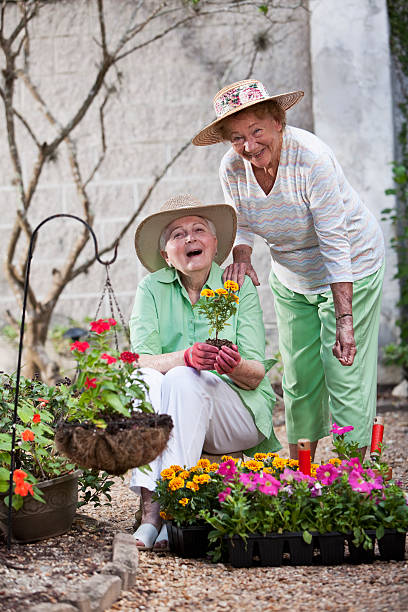
This may be the most important habit to stop.
Many seniors believe that changing their lifestyle no longer matters because they have reached a certain age.

Nothing could be further from the truth.
It’s Never Too Late to Improve Your Health
Your body can benefit from healthy changes at almost any age.
People improve their fitness, learn new hobbies, and adopt healthier habits in their sixties, seventies, and even eighties.
Why should age stop you from becoming a healthier version of yourself?
Every positive choice matters. Every healthy meal, every walk, and every good night’s sleep adds up.
One More Thing: Stop Ignoring the Little Warning Signs
Many seniors brush off small health changes and say things like, “It’s just part of getting older.” Sometimes that’s true, but not always.
Small symptoms can become bigger problems if you ignore them for too long.
Frequent tiredness, unexplained weight loss, shortness of breath, memory changes, or constant aches deserve attention. Your body has a way of sending little messages before a bigger issue appears.
I remember an older family friend who ignored his constant fatigue for months. He finally visited his doctor and discovered he had a vitamin deficiency that was easy to treat. Within weeks, his energy returned, and he felt like himself again.
The lesson? Don’t wait until something becomes serious.
Pay attention to your body. Speak up when something doesn’t feel right. Ask questions and seek help when needed.
Growing older isn’t about pretending everything is fine. It’s about being wise enough to listen to your body and take action.
After all, protecting your health and energy isn’t about making one huge change overnight. It’s about making small, smart decisions every single day that help you live a happier, stronger, and more active life.
Final Thoughts
Growing older doesn’t mean giving up your energy or accepting poor health as inevitable. Sometimes protecting your health comes down to stopping a few habits that quietly work against you.
Remember these simple changes:
- Move more and sit less.
- Prioritize good sleep.
- Eat regular, nutritious meals.
- Drink enough water.
- Stay physically active.
- Keep strong social connections.
- Attend regular health checkups.
- Choose healthier foods.
- Manage stress.
- Never stop believing you can improve your health.
Aging is a privilege, and every year brings new opportunities to take better care of yourself.
So why not start today? Your future self will probably thank you for it, and you may have a lot more energy left to enjoy the people and moments that matter most.