Getting older comes with plenty of perks. You know yourself better, you care less about unnecessary drama, and you’ve gathered decades of life experience. But let’s be honest. Some habits that seemed harmless years ago can quietly steal your energy, health, and happiness today.
I’ve noticed that many women over 60 focus heavily on what they should start doing. While that’s important, sometimes the bigger improvements come from stopping certain behaviors. Think about it for a second. How many daily habits do you follow simply because you’ve always done them?
The good news is that small changes can make a huge difference. You don’t need a complete life makeover. You just need to identify what’s holding you back and let it go.
Here are 10 things women over 60 should stop doing if they want better health, more energy, and a happier life.
Stop Ignoring Your Body’s Signals

Your body talks to you every single day. The problem is that many women spend years ignoring what it’s trying to say.
That nagging knee pain, constant fatigue, poor sleep, or recurring headaches aren’t just part of getting older. Your body often sends warning signs long before a serious problem develops.
Many women brush off symptoms with comments like, “I’m just getting old.” While aging causes changes, persistent discomfort should never become your normal.
Also, Many women spend years taking care of everyone else first. As a result, they often push their own concerns aside. A little pain here, a little fatigue there, and before long those small issues become part of daily life. The problem is that some health conditions start quietly and become more serious over time.
Pay attention to changes in your energy, appetite, sleep patterns, and mobility. A simple checkup today could prevent bigger problems tomorrow.
After all, would you ignore a flashing warning light on your car dashboard? Probably not.
Stop Skipping Physical Activity
No, you don’t need to train for a marathon.
Many women over 60 avoid exercise because they think fitness requires intense workouts or complicated gym routines. That’s simply not true.
Regular movement remains one of the most powerful tools for healthy aging. It helps maintain strength, balance, flexibility, heart health, and mental well-being.
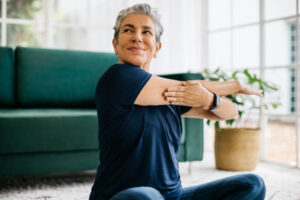
A daily walk, gentle stretching, swimming, gardening, or dancing around your living room all count.
Walking is fantastic, but don’t forget about strength and balance exercises. As women age, muscle mass naturally decreases. Building and maintaining strength helps you stay independent and perform everyday tasks with greater ease.
I’ve met women in their seventies who move more comfortably than some people in their forties because they never stopped staying active.
The secret isn’t perfection. The secret is consistency.
Stop Letting Stress Control Your Life
Stress doesn’t magically disappear after retirement.
Family concerns, finances, health issues, and everyday responsibilities can still create plenty of pressure. Unfortunately, chronic stress affects almost every part of your body.
Long-term stress can raise blood pressure, weaken immunity, disrupt sleep, and increase anxiety.
Ask yourself this: how much of your stress comes from things you can actually control?

Many times, we spend hours worrying about situations that haven’t happened and may never happen. That’s like paying interest on a loan you never borrowed.
Try relaxation techniques, prayer, meditation, journaling, or simply spending time outdoors. Even a few quiet minutes each day can make a noticeable difference.
Stop Neglecting Healthy Eating Habits
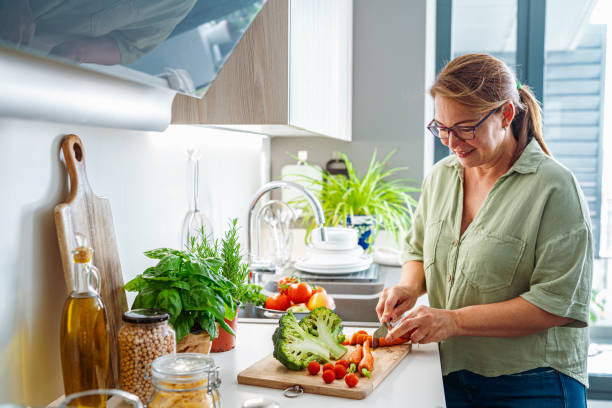
Your nutritional needs change as you age.
YOU MAY LIKE



Many women continue eating the same way they did decades ago, even though their bodies now require different support. Muscle mass naturally declines with age, which makes proper nutrition even more important.
Focus on protein, fruits, vegetables, whole grains, and healthy fats.
This doesn’t mean you can never enjoy dessert again. Life without occasional treats sounds a little depressing, doesn’t it?
The goal is balance, not perfection.
Protein becomes especially important after 60 because it helps maintain muscle strength. Foods like fish, eggs, beans, yogurt, and lean meats can support healthy aging. Many women also benefit from eating more calcium-rich foods to support bone health.
A healthy diet supports energy levels, bone health, heart health, and overall wellness. Small improvements often create the biggest long-term results.
Stop Comparing Yourself to Other People
Comparison steals joy at every age.
Social media makes it easy to believe everyone else has perfect health, perfect families, perfect vacations, and perfect lives. Spoiler alert: they don’t.
Your journey belongs to you.
Someone else’s appearance, finances, fitness level, or lifestyle doesn’t determine your worth.
I’ve seen women become frustrated because they don’t look the same as they did at 30. But why should they? Every stage of life brings different strengths and beauty.
Celebrate your progress instead of measuring yourself against someone else’s highlight reel.
Stop Putting Everyone Else First
Many women spend decades caring for spouses, children, grandchildren, relatives, and friends.
That generosity deserves admiration. However, constantly putting yourself last can lead to exhaustion and burnout.
Self-care isn’t selfish. It’s necessary.
You can’t pour from an empty cup. If you neglect your health, rest, and emotional needs, everyone around you eventually feels the impact.
Many women feel guilty when they prioritize themselves. They worry that taking time for their own needs somehow makes them selfish. In reality, the opposite is often true. When you feel rested and fulfilled, you have more patience, energy, and positivity to share with others.

Start with small changes. Set aside time for reading, gardening, walking, or any activity that brings you joy. Protect that time just as you would protect an important appointment.
Schedule regular health appointments. Take breaks. Enjoy hobbies. Spend time with friends.
Remember, caring for yourself allows you to continue caring for others.
Stop Isolating Yourself
Loneliness affects more than emotions.
Research continues to show strong connections between social isolation and physical health problems. Human connection plays a major role in overall well-being.
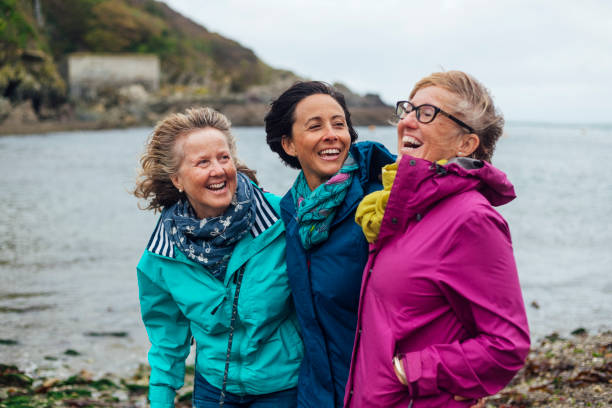
Friendships often change over the years. People move away, retire, or experience life changes that affect relationships. That makes it even more important to stay open to new connections.
Strong social relationships support both mental and physical health.
If you’ve lost touch with friends or family, consider reconnecting. Join a local group, volunteer, attend community events, or participate in activities you enjoy.
Even regular phone calls can make a difference.
Many women discover new friendships and interests after 60. Who says exciting chapters only belong to younger people?
Stop Believing You’re Too Old to Learn Something New
This mindset limits more people than age ever could.
Some women convince themselves that learning new skills belongs to younger generations. Nothing could be further from the truth.
Learning doesn’t just expand your knowledge. It also strengthens your confidence. Every time you master a new skill, you remind yourself that growth remains possible at any age.
Your brain benefits from challenges and new experiences throughout life.
EDITORS' RECOMMENDATIONS



Learning keeps your mind active and engaged.
Try a new hobby, take an online class, learn technology skills, start painting, study a language, or explore something you’ve always wanted to understand.
Many women discover exciting passions later in life. Some learn photography, others start businesses, write books, travel, paint, or learn new technology. Age doesn’t determine your ability to learn. Your willingness to try does.
FYI, plenty of successful people started entirely new careers or passions later in life.
Age doesn’t automatically close doors. Sometimes it simply gives you the confidence to walk through them.
Stop Avoiding Preventive Healthcare
Many women visit healthcare professionals only when something feels seriously wrong.

Preventive care works differently.
Regular screenings and checkups help detect issues before they become major problems.
Routine appointments can monitor blood pressure, cholesterol, bone health, vision, hearing, and other important areas.
Think of preventive healthcare as maintenance rather than repair.
You service your car before it breaks down, right? Your body deserves at least the same level of attention.
Staying proactive often leads to better outcomes and greater peace of mind.
Stop Thinking Happiness Has an Age Limit

This may be the most important point of all.
Some women unconsciously believe that their most exciting years are behind them. They stop pursuing goals, adventures, friendships, or personal growth because they think it’s “too late.”
Who created that rule?
Happiness doesn’t expire after 60.
Many women find greater confidence, freedom, and fulfillment during this stage of life than they ever experienced before.
You don’t need permission to enjoy yourself. You don’t need permission to try something new. You don’t need permission to create meaningful experiences.
Life continues as long as you’re living it.
Final Thoughts
Growing older doesn’t mean settling for less health, less joy, or less fulfillment. In many ways, it offers the perfect opportunity to focus on what truly matters.
If you stop ignoring your health, stop comparing yourself to others, stop neglecting self-care, and stop believing limiting stories about age, you’ll create more space for energy, confidence, and happiness.
Start small. Pick one habit from this list and work on it this week.
A healthier and happier future doesn’t require perfection. It simply requires a willingness to let go of what no longer serves you.
And honestly, after 60, you’ve earned the right to stop wasting time on habits that make life harder than it needs to be.