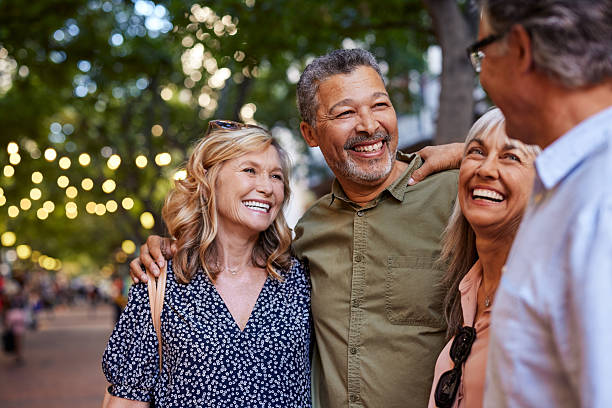
Aging is a natural part of life, but how you age depends a lot on how you take care of yourself every day. Some seniors live with energy, confidence, and happiness, while others struggle with tiredness, stiffness, loneliness, or stress. The difference is not always money or luck. Most times, it comes down to simple self-care habits practiced consistently over time.
Many seniors think aging automatically means dealing with weakness, low energy, or losing independence, but that is not always true. In fact, many of the struggles people associate with aging come from daily habits, not age itself.
When the body gets proper care, it responds better than most people expect. Simple things like movement, good food, sleep, and connection can completely change how someone feels day to day
I like to think of self-care as “daily maintenance for the body and mind.” Just like a car needs fuel, oil, and care to keep running well, the human body also needs attention, movement, rest, and good nutrition.
The good news is that self-care for seniors does not need to be complicated or expensive. Small, consistent habits can greatly improve health, comfort, and quality of life.
Let’s break down the most important self care habits that improve life for seniors, in a clear and practical way.
Keep Your Body Active Every Day
One of the most important habits for healthy aging is staying physically active. As people age, the body naturally becomes less flexible and muscles begin to weaken if they are not used regularly.
Why movement is so important
When you stay active, your body continues to function better. Blood circulates properly, joints stay flexible, and muscles remain stronger. Without movement, the body becomes stiff, weak, and less stable.
Regular movement helps seniors maintain strength, balance, and independence.
Many seniors think exercise must be intense to be effective, but that is not true at all.
Simple ways to stay active
You do not need a gym or special equipment. Simple activities are enough.
Walking around your home or neighborhood
Stretching your body in the morning
Light gardening or sweeping
Slow dancing or gentle exercises

Even small movements throughout the day add up.
Ever noticed how stiff your body feels after sitting too long? That is your body asking for movement.
The goal is consistency, not intensity. Even 20–30 minutes daily makes a difference.
Eat Nutritious and Balanced Meals
Food is fuel for the body, and as people get older, the body needs better quality fuel, not just more food.
Why nutrition becomes more important
The body becomes less efficient at absorbing nutrients with age. This means every meal matters more than before. Poor eating habits can lead to low energy, weakness, or frequent illness.
Healthy eating supports energy, immunity, and overall body strength.
Many seniors eat what is convenient, not what is nutritious, but small changes can improve health significantly.
What healthy eating looks like
Healthy eating does not mean strict dieting. It means balance.
Fruits like bananas, oranges, and apples
Vegetables like spinach, carrots, and cabbage
Proteins like eggs, beans, fish, and chicken
Whole grains like oats, rice, and whole wheat foods
Try to reduce too much fried or processed food, but you do not need to eliminate everything you enjoy.
IMO, the best diet is one you can maintain without stress.

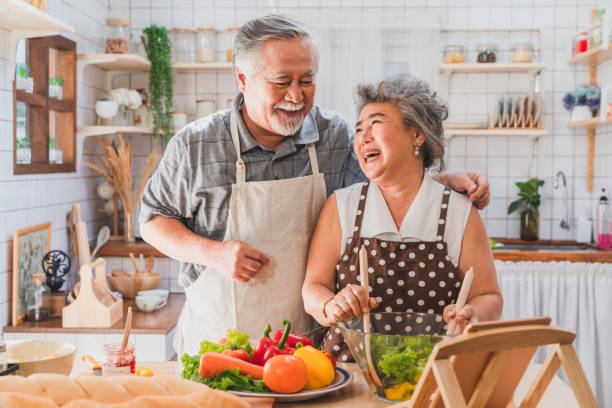
Good nutrition helps the body stay strong, active, and mentally sharp.
Stay Social and Connected With People
One of the biggest challenges many seniors face is loneliness, especially after children grow up or routines change.
Why social connection matters
Humans are naturally social. Talking, laughing, and sharing experiences improves emotional health and even physical health.
YOU MAY LIKE



Strong social connections reduce loneliness and improve mental well-being.
When seniors stay socially active, they tend to feel more supported and happier.
Ever noticed how time passes quickly when you are talking to someone you enjoy? That is emotional connection at work.
Simple ways to stay connected
Call or visit family regularly
Spend time with friends
Join community groups or gatherings
Talk to neighbors daily
Even short conversations can improve mood.
The goal is not a large social circle. It is meaningful connection.
Prioritize Quality Sleep and Rest
Sleep is one of the most important but often ignored parts of healthy aging.
Why sleep matters for seniors
During sleep, the body repairs tissues, restores energy, and supports brain function. Without good sleep, the body becomes weak and the mind feels foggy.
Good sleep improves memory, mood, energy, and physical health.
Many seniors struggle with sleep due to stress, discomfort, or irregular routines.
How to improve sleep quality
Go to bed at the same time every night
Avoid caffeine late in the day
Reduce screen time before bed
Keep the sleeping environment quiet and comfortable
Think of sleep as your body’s repair time. If you skip it or interrupt it often, the body cannot fully recover.
Ever noticed how everything feels harder after a bad night’s sleep? That is the impact of poor rest.
Drink Enough Water Throughout the Day
Hydration is one of the simplest but most powerful self-care habits.
Why water is important
The human body depends on water for digestion, circulation, temperature control, and energy production. Without enough water, the body becomes tired and functions slowly.
Proper hydration helps maintain energy and supports overall body function.
Even mild dehydration can cause fatigue, headaches, or dizziness.
How to stay hydrated easily
Keep water within reach at all times
Drink small amounts regularly
Do not wait until you feel thirsty

Thirst is actually a late signal that your body already needs water.
FYI, many seniors feel better just by increasing daily water intake slightly.
Take Care of Mental and Emotional Health
Health is not only physical. Mental and emotional well-being are just as important.
Why mental health matters
Stress, sadness, and loneliness can affect physical health over time. A peaceful mind supports a healthier body.
Good mental health improves quality of life and emotional stability.
Seniors often carry emotional stress silently, which makes this area very important.
Ways to support mental health
Talk about your feelings instead of keeping them inside
Do relaxing activities like listening to music or praying
Avoid overthinking problems
Spend time with people who bring peace
Sometimes the best self-care is simply giving your mind rest.
Keep Your Brain Active and Engaged
The brain also needs exercise to stay strong.
Why mental activity is important
When the brain is regularly challenged, it stays sharper and more active. Without stimulation, memory and focus may reduce over time.
Mental activity supports cognitive health and memory retention.
Many seniors believe learning stops at a certain age, but that is not true.
Simple ways to keep the mind active
Read books or newspapers
Solve puzzles or word games
Learn new hobbies or skills
Have meaningful conversations
Even curiosity helps keep the brain engaged.
Ever met an older person who still learns new things? They often seem more mentally alert.
EDITORS' RECOMMENDATIONS



Spend Time Outdoors and Get Fresh Air
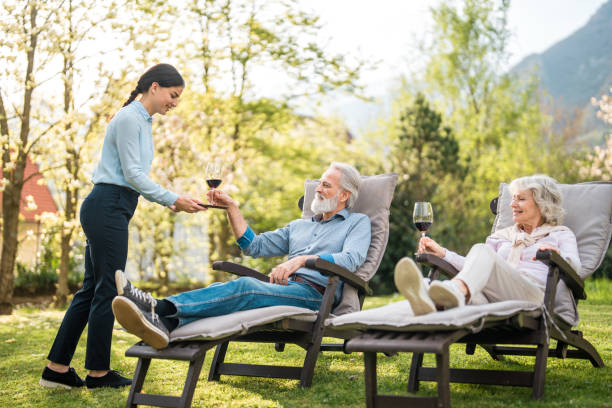
Fresh air and sunlight have powerful effects on both body and mind.
Why outdoor time helps
Being outside helps reduce stress, improves mood, and supports natural body rhythms.
Outdoor time supports emotional and physical wellness.
Even short exposure to nature can refresh the mind.
Easy outdoor habits
Sit outside in the morning or evening
Take slow walks
Enjoy natural surroundings

You do not need long activities. Just being outside helps.
Build a Simple Daily Routine
Routine creates structure, and structure reduces stress.
Why routine matters
A predictable routine helps seniors feel more organized and stable. It also makes healthy habits easier to maintain.
A daily routine improves emotional balance and consistency.
Without routine, days can feel confusing or unproductive.
What a good routine includes
Wake-up and sleep schedule
Meal times
Light physical activity
Rest periods
Enjoyable activities
A simple structure makes life easier to manage.
Do Activities That Bring You Joy
Happiness is a form of health too.
Why joy is important
When you enjoy life, stress levels drop and overall well-being improves.
Enjoyment supports emotional and physical health.
Life should not feel like only responsibilities.
Find what makes you happy
Listening to music
Cooking favorite meals
Talking with loved ones
Hobbies like gardening or sewing
Joy keeps life meaningful.
Conclusion
Self-care for seniors is not about complicated routines or expensive treatments. It is about simple, daily habits that support the body and mind.
Staying active, eating well, sleeping properly, drinking enough water, maintaining social connections, keeping the brain engaged, and caring for emotional health all work together to improve quality of life.
You do not need to do everything at once. Start small. Choose one habit and build consistency.
The truth is, aging does not have to feel like a decline. It can feel like a more peaceful, stable, and enjoyable stage of life when the right habits are in place.
You don’t need perfection. You don’t need pressure. You just need consistency in the basics like movement, nutrition, rest, hydration, and emotional care.
Because in the end, good self-care does not just extend life, it improves how that life feels every single day