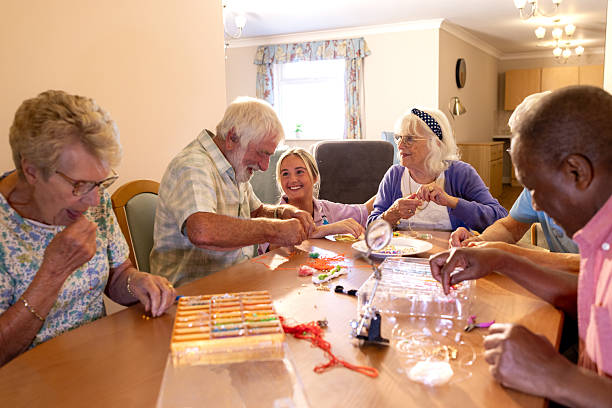
Turning 60 often changes the way you think about your health. Suddenly, little things matter more. A good night’s sleep feels like a luxury, your knees have opinions about the weather, and forgetting where you left your glasses becomes a daily adventure.
The good news? Healthy aging doesn’t require a complete lifestyle makeover. Small, consistent self-care habits can make a huge difference in how you feel, move, and enjoy life.
I’ve met plenty of people in their 60s and 70s who seem to have found the secret to aging well. Their secret isn’t expensive supplements or complicated routines. They simply take care of themselves every day in small but meaningful ways.
If you’ve ever wondered, “What can I do now to stay healthy and independent for years to come?” you’re in the right place.
1. Make Daily Movement a Non-Negotiable Habit

You don’t need to run marathons. Honestly, most of us don’t even want to run to catch the bus.
The goal is simple: keep your body moving every day.
Why Movement Matters After 60
As we age, our muscles naturally become weaker. Our joints also become stiffer if we spend too much time sitting.
Regular movement helps:
- Improve balance
- Strengthen muscles
- Support heart health
- Reduce joint pain
- Boost mood and energy
Ever noticed how a short walk can completely change your mood? That’s your body thanking you.
Easy Ways to Stay Active
You can:
- Walk around your neighborhood.
- Stretch for ten minutes every morning.
- Dance to your favorite songs.
- Work in your garden.
- Try light yoga exercises.
Consistency matters more than intensity.
Even twenty minutes of movement each day can support healthy aging and help you maintain your independence.
2. Prioritize Quality Sleep
Sleep becomes a little tricky after 60. Some people wake up earlier than they used to. Others find themselves staring at the ceiling at 3 a.m. for absolutely no reason. :/
Still, good sleep remains one of the most important forms of self-care.
Sleep Helps Your Body Repair Itself
During sleep, your body works hard behind the scenes.
It repairs tissues, strengthens your immune system, and helps your brain process memories.
Poor sleep can lead to:
- Fatigue
- Memory problems
- Increased stress
- Higher risk of illness
Who enjoys feeling tired all day? Nobody.
Create a Simple Bedtime Routine
You don’t need anything fancy.
Try these habits:
- Go to bed at the same time each night.
- Limit caffeine in the evening.
- Keep your bedroom cool and comfortable.
- Avoid using your phone right before bed.
A regular sleep schedule can improve both your physical and mental health.
3. Eat Foods That Nourish Your Body

Food becomes even more important as you get older.
Your body needs the right nutrients to maintain strong bones, healthy muscles, and steady energy levels.
The funny thing is that healthy eating often sounds complicated. In reality, it’s much simpler than people make it seem.
Focus on Whole Foods
Try to fill your plate with:
- Fruits
- Vegetables
- Whole grains
- Lean proteins
- Healthy fats
Simple, nutritious meals can help support healthy aging and reduce the risk of chronic disease.

Don’t Forget Protein
Many older adults don’t eat enough protein.
Protein helps preserve muscle mass, which becomes increasingly important after age 60.
Good sources include:
YOU MAY LIKE



- Eggs
- Fish
- Chicken
- Beans
- Greek yogurt
I once spoke with a woman in her seventies who started adding more protein to her meals. Within a few months, she said she felt stronger and had more energy during the day. Small changes really do add up.
Stay Hydrated Too
People often forget about water.
As we age, our sense of thirst can decrease. That means you may need to remind yourself to drink enough fluids.
Hydration supports digestion, energy levels, and brain function.
FYI, sometimes that afternoon fatigue comes from dehydration, not old age.
4. Stay Social and Protect Your Mental Health
Aging well isn’t only about your body.
Your emotional health matters just as much.
Loneliness and isolation can affect both physical and mental well-being.
Why Social Connections Matter
Strong relationships can:
- Reduce stress
- Lower the risk of depression
- Improve memory
- Increase happiness
Think about it. When was the last time you had a great conversation and didn’t feel better afterward?
Humans need connection.
Find Ways to Stay Connected
You can:
- Call a friend.
- Join a community group.
- Attend religious gatherings.
- Spend time with family.
- Volunteer in your community.
Even one meaningful conversation each day can lift your spirits.
Make Time for Activities You Enjoy
Self-care isn’t only about healthy habits.
It’s also about joy.
Read a book, listen to music, work on a puzzle, or learn something new.
Keeping your mind active supports healthy aging and helps maintain cognitive function.
And honestly, who said fun has an age limit?
5. Keep Up With Preventive Health Checkups
Let’s be honest. Most people don’t get excited about doctor appointments.
Still, regular health checkups can catch problems early and help you stay healthier for longer.
Prevention Really Is Better Than Treatment
Many health conditions become easier to manage when doctors find them early.
Regular checkups can help monitor:

- Blood pressure
- Blood sugar levels
- Cholesterol
- Vision and hearing
- Bone health
Why wait until something feels wrong? Your body often gives quiet signals before it starts shouting.
Don’t Ignore Small Changes
Many older adults brush off symptoms because they think, “I’m getting older, so this is normal.”
Sometimes that’s true. Sometimes it isn’t.
Pay attention if you notice:
- Sudden fatigue
- Frequent dizziness
- Unexplained weight changes
- Persistent pain
- Memory issues
Listening to your body is one of the smartest self-care habits after 60.
Stay Current With Screenings
Routine screenings and vaccinations also play a major role in healthy aging.
These appointments may not feel exciting, but they help you stay independent and active.
Think of them as maintenance for your body. After all, people service their cars regularly. Why shouldn’t they do the same for themselves?
6. Practice Stress Management Every Day
Stress doesn’t disappear with age.
Bills still arrive. Family problems still happen. Sometimes technology decides to stop working right when you need it most.
The difference is that managing stress becomes even more important after 60.
Chronic Stress Can Affect Your Health
Long-term stress can contribute to:
- Sleep problems
- High blood pressure
- Weakened immunity
- Anxiety
- Low energy
Ever noticed how stress can make your whole body feel tired? That’s because your mind and body work together.
Simple Ways to Reduce Stress
You don’t need an expensive wellness retreat.
Try these ideas instead:
- Take a short walk.
- Listen to calming music.
- Practice deep breathing.
- Spend time outdoors.
- Keep a journal.
Even ten quiet minutes can help reset your mind.
Give Yourself Permission to Rest
Many people spend years taking care of everyone else.
After 60, self-care means remembering that your needs matter too.
EDITORS' RECOMMENDATIONS



Rest is not laziness. Rest is necessary.
IMO, one of the kindest things you can do for yourself is to stop feeling guilty about slowing down occasionally.
7. Create a Daily Self-Care Routine You Can Actually Stick To

The best self-care routine isn’t the most complicated one.
It’s the one you actually follow.
Keep It Simple
A realistic routine might look like this:
- Wake up at the same time each day.
- Eat a nutritious breakfast.
- Take a short walk.
- Drink enough water.
- Connect with someone you care about.
- Go to bed on schedule.
That’s it.

No fancy gadgets. No impossible schedules. Just simple habits that support your health.
Build Habits One Step at a Time
Trying to change everything overnight usually doesn’t work.
Start with one habit.
Then add another.
Then keep going.
Small actions repeated every day create lasting results.
Many healthy older adults didn’t become healthy overnight. They built good habits slowly and stayed consistent.
Celebrate Progress
Did you drink more water this week?
Did you walk three days in a row?
Celebrate it.
Healthy aging isn’t about perfection. It’s about progress.
Never Stop Learning Something New
One habit that often gets overlooked is staying curious. Learning keeps your brain active and gives you a sense of purpose. You don’t need to earn another degree or become a technology expert overnight.
Try reading a new book, learning a simple recipe, picking up a hobby, or even asking your grandchild to teach you how to use a new app. Yes, the lesson may require a little patience from both of you!
Keeping your mind engaged can improve confidence, boost memory, and make daily life more enjoyable. After 60, curiosity isn’t just fun. It’s another powerful form of self-care.
Final Thoughts on Healthy Aging After 60
Getting older doesn’t mean giving up your energy, independence, or joy.
In many ways, it means learning how to take better care of yourself than ever before.
These seven self-care habits can make a meaningful difference:
- Move your body every day.
- Prioritize quality sleep.
- Eat nourishing foods.
- Stay socially connected.
- Schedule preventive health checkups.
- Manage stress.
- Build a simple daily routine.
Healthy aging after 60 comes from the small choices you make consistently.
You don’t need to change your entire life this week. Start with one habit. Then keep going.
A few years from now, you’ll probably thank yourself for every walk, every healthy meal, every good night’s sleep, and every moment you spent caring for your mind and body.
Because aging is inevitable.
Feeling your best while doing it? That’s something you can work toward every single day.